ECCV 2026 Workshop

TwinWorld
Visual Intelligence for Built Environment Digital Twins
Real-World • Large-scale • Multimodal • Hierarchical • Dynamic
ECCV 2026 · 8th Sep 2026 · Malmö, Sweden
ECCV 2026 Workshop
Real-World • Large-scale • Multimodal • Hierarchical • Dynamic
ECCV 2026 · 8th Sep 2026 · Malmö, Sweden
TwinWorld brings together researchers and practitioners from computer vision, robotics, geospatial AI, autonomous systems, and construction technology to advance the next generation of built environment digital twins: from city-scale to single objects.
The workshop focuses on scalable 3D and 4D scene understanding, multimodal reconstruction, semantic modeling, neural representations, benchmark-driven evaluation, and real-world deployment.
Built environment digital twins are emerging as a key technology for autonomous driving, medical modeling, construction monitoring, robotics, and urban analytics. Yet, creating scalable and continuously updated digital twins remains a fundamentally unsolved computer vision challenge.
Current methods and benchmarks often focus on small-scale or controlled scenarios, while real-world environments are dynamic, noisy, and continuously changing. Practical deployment requires robust 3D reconstruction, semantic understanding, topology-aware scene representations, and continuous 4D updating from multimodal observations.
Applications demand high accuracy and reliability, where even centimeter-level errors may impact autonomous vehicle safety, infrastructure inspection, or construction workflows. Furthermore, real-world systems require a combination of implicit and explicit, structured and unstructured representations, together with hierarchical semantics and scene graphs to capture geometry and inter-object relationships across scales.
TwinWorld aims to advance scalable, multimodal, and hierarchical digital twin representations that bridge methodological innovation with real-world deployment across construction, mapping, robotics, autonomous systems, simulation, and beyond.
Large-scale multimodal reconstruction and dynamic scene modeling.
Hierarchical segmentation, scene understanding, and scene graphs.
Neural radiance fields, structured and unstructured, implicit and explicit representations.
Scalable datasets, cross-domain evaluation, and multimodal robustness.
Construction monitoring, autonomous driving, robotics, mapping, and digital twin maintenance.
TwinWorld welcomes original research contributions related to built environment digital twins, large-scale 3D and 4D scene understanding, semantic modeling, neural representations, and real-world deployment. See also Topics.
We invite submissions presenting novel research in digital twins, 3D reconstruction, semantic scene understanding, Gaussian splatting, multimodal sensing, robotics, autonomous systems, and related topics.
Submissions should follow the official ECCV guidelines and template; the accepted submission will be publihsed in ECCV proceedings.

Technical University of Munich

University of Cambridge

Stanford University

University of Oxford
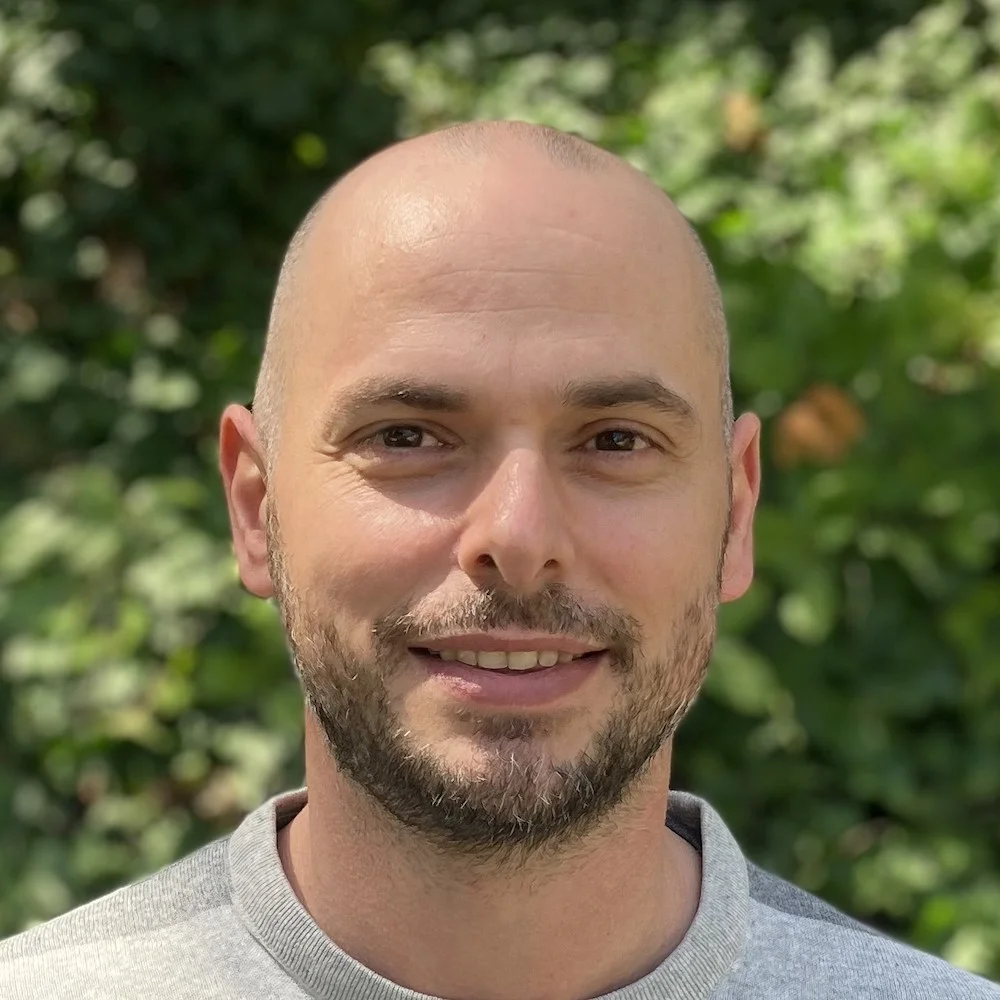
Simon Fraser University/Wayve Labs

Università della Svizzera italiana

University of Oxford/Third Dimension AI

Technical University of Munich
TwinWorld Challenge 2026 focuses on scalable semantic 3D reconstruction for real-world digital twins.
The challenge proposes to jointly optimize for accurate 2D renderings, 3D geometry, and semantics.
Olaf Wysocki on behalf of the TwinWorld Organizers
Invited Talk
Invited Talk
Invited Talk
Invited Talk
Invited Talk
Invited Talk
Invited Talk
Invited Talk
From 3D Vision to Deployable Digital Twins
Rupprecht
Tagliasacchi
Engelmann
Dai
Busam
Armeni
Fallon
Sheil
1-min per paper, fast-pace gist of the selected workshop papers
Best Paper, Honourable Mention & Best Oral Presentation
Large-Scale 3D Semantic Gaussian Splatting Reconstruction
TwinWorld Organizers

CV4DT, University of Cambridge
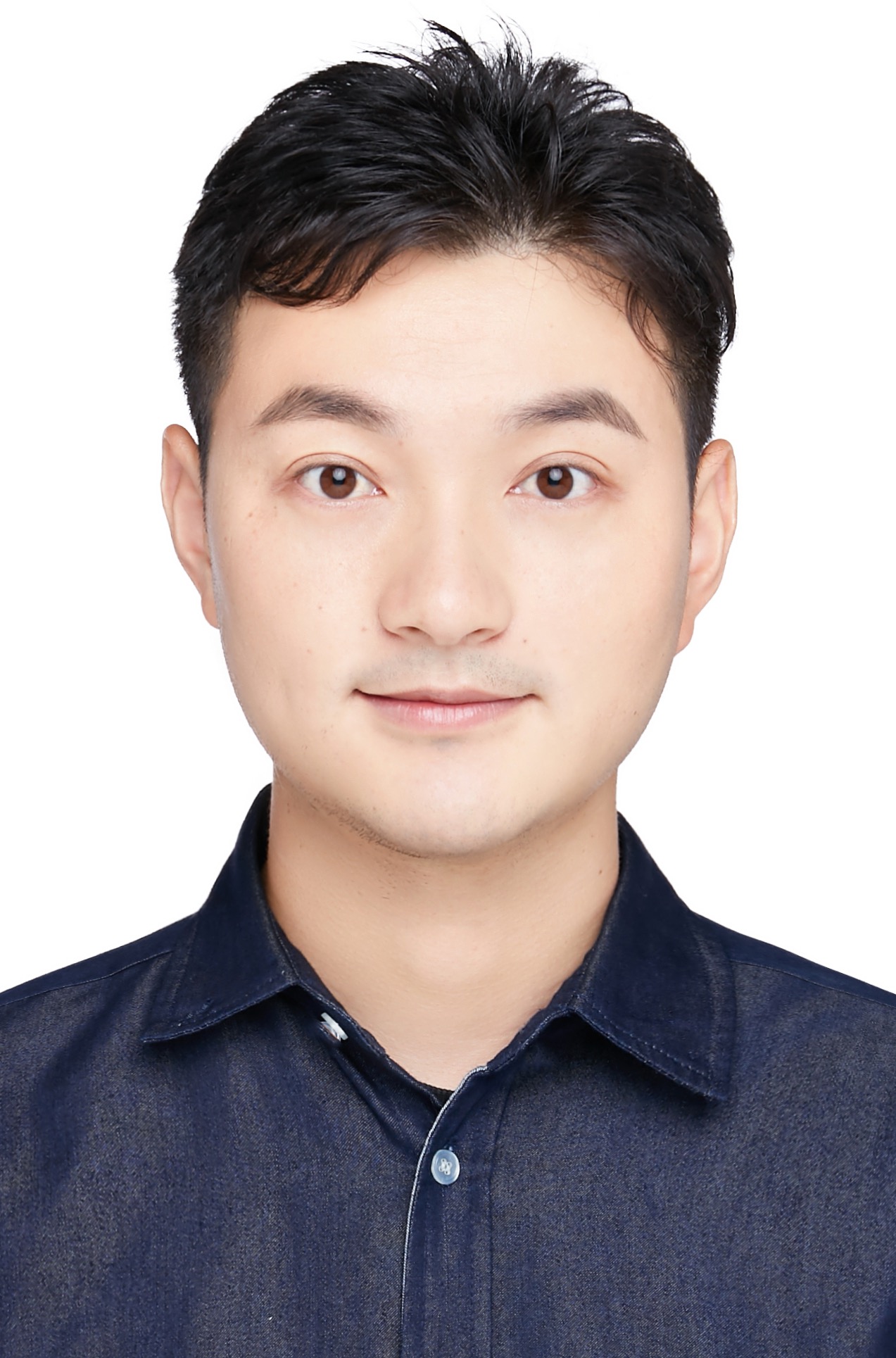
CV4DT, University of Science and Technology of China

CV4DT, University of Cambridge

CV4DT, KIT

CV4DT, University of Cambridge
CV4DT, University of Cambridge
CV4DT, University of Cambridge

CV4DT, University of Cambridge

CV4DT, University of Cambridge
CV4DT, UCLA

CV4DT, University of Leeds

Technical University of Munich / Google

Zoox

Huawei
University of Cambridge

Politecnico di Torino

University of California, Los Angeles

IGN France
FBK

ETH Zürich
Technical University of Munich
We are currently recruiting Program Committee members to support the review process for TwinWorld at ECCV 2026.
Interested in serving as a reviewer? Please contact okw24@cam.ac.uk.
TwinWorld is grateful for the support of our academic and industrial partners.

Centre for Smart Infrastructure and Construction

Laing O'Rourke Centre

Trimble Inc.

InfraMind
Third Dimension AI (media sponsor)

Huawei

Hexagon
Interested in supporting TwinWorld and engaging with the digital twin, computer vision, robotics, and construction communities? We welcome additional academic and industrial sponsors.
Please contact okw24@cam.ac.uk for sponsorship opportunities.